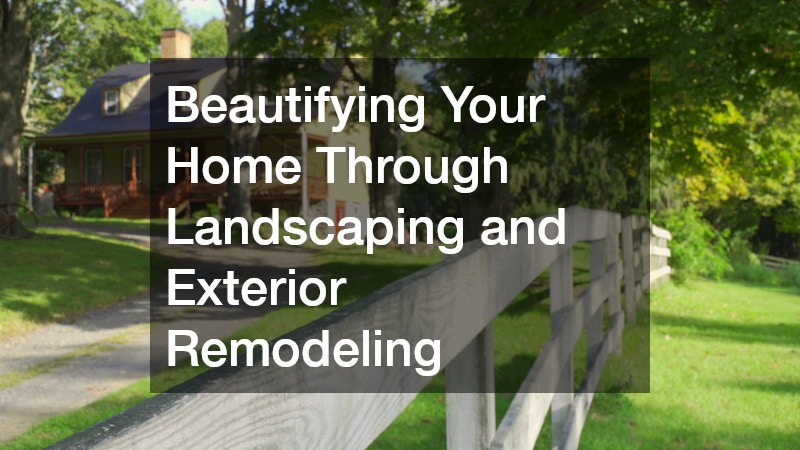
The exterior of your home is the first thing guests see and the last thing you experience when you leave for the day. It is more than just a facade; it is a complex ecosystem where architecture meets nature. When landscaping and exterior remodeling are executed in harmony, they do more than just raise your property value—they transform your daily environment into a sanctuary.
Achieving a high-end look requires a blend of structural integrity and horticultural wisdom. In this guide, we will explore how to meticulously plan and execute a total exterior overhaul, moving from the foundational boundaries of your property to the finest details of your home’s siding and greenery.
Strategic Planning: The Blueprint for a Total Transformation

Before a single shovel hits the dirt or a paintbrush touches a wall, a comprehensive plan is essential. Many homeowners make the mistake of tackling projects piecemeal, resulting in a disjointed look that lacks flow.
Conducting a Site Audit
A professional-grade transformation starts with an honest assessment of what you already have. Walk your property at different times of the day to understand:
- Sun and Shade Patterns: This determines where you can build a sun-drenched patio versus where you need shade-loving hostas.
- Drainage and Grading: Note where water pools after rain. Proper grading is the most critical “invisible” part of remodeling; without it, you risk basement flooding and foundation damage.
- Wind Tunnels: Identifying high-wind areas helps you decide where to place privacy screens or windbreaks.
Defining Your Zones
Think of your yard as a series of outdoor rooms. You might have a “Kitchen Zone” featuring a grill and dining set, a “Quiet Zone” with a hammock or water feature, and a “Utility Zone” for trash bins and tool storage. By defining these areas early, you ensure that your landscaping serves your actual lifestyle.
Defining Boundaries with Style and Security
The perimeter of your property sets the stage for everything else. It provides the “frame” for your home’s “painting.” While many view a perimeter wall as a purely functional necessity for pets or privacy, it is actually a major design element that can make a yard feel larger or more intimate.
Choosing Materials that Balance Privacy and Aesthetics
When you begin looking at the various types of fences available today, you must consider the architectural style of your home. A sleek, horizontal cedar slat design complements a mid-century modern home, while a white picket style suits a cottage or Cape Cod. Beyond wood, wrought iron offers a timeless, sophisticated look that provides security without blocking a beautiful view.
Finding the right professionals is just as important as the materials themselves. Experienced fence contractors will look for more than just a straight line; they will assess the soil density and the frost line to ensure that posts are set deep enough to prevent leaning over time. A professional installation also ensures that gates are hung with heavy-duty hardware that won’t sag after a single season of use.
Streamlining the Professional Build Process
For those seeking a low-maintenance lifestyle, modern synthetic materials have come a long way. High-quality vinyl fencing is now available in textures that convincingly mimic wood grain or stone, providing a clean look that never requires staining or painting. This is particularly useful in humid climates where wood is prone to rot or insect damage.
The success of any fence installation relies heavily on the “pre-work.” This includes:
- Property Surveys: Never guess where your property line is. A mistake of even a few inches can lead to expensive legal disputes with neighbors.
- Utility Marking: Always call local utility services to mark underground gas, water, and electric lines before digging post holes.
- HOA Compliance: Ensure your chosen height and material meet the specific requirements of your neighborhood association to avoid forced removals.
Mastering the Vertical Landscape

Trees are the “furniture” of the sky. They provide the vertical scale necessary to balance the horizontal lines of your home. However, trees are living organisms that require proactive management to remain assets rather than liabilities.
Curating Your Property’s Canopy
Mature trees are one of the few home improvements that actually grow in value over time. If your property is currently a blank slate, investing in a professional tree service to plant semi-mature specimens can give you a ten-year head start on your landscape. When selecting species, consider the “litter” factor—oaks drop acorns, while maples drop samaras (helicopters).
If you are moving into an older property with overgrown or neglected greenery, you might need a tree remodel service to restore the health and shape of your canopy. This involves more than just cutting limbs; it’s about “thinning” the interior of the tree to allow wind to pass through, which prevents the tree from acting like a sail during a storm and toppling over.
Maintenance for Health and Aesthetics
A reputable tree company will tell you that the best time to prune most species is during their dormant season in late winter. This reduces the stress on the tree and minimizes the risk of pest infestation or disease transmission through the open cuts.
Regular tree trimming is essential for more than just looks. It prevents heavy branches from hanging over your roof, which can drop debris into gutters or, worse, crash through shingles during a windstorm. Furthermore, “limbing up”—removing the lowest branches of a tree—can open up sightlines to your home’s architectural features and allow more sunlight to reach the grass or garden beds below, ensuring a lush, green carpet throughout your property.
The Power of Color and Structural Refresh
Once the “bones” of the yard are in place, turn your attention back to the house itself. No amount of beautiful flowers can mask peeling paint or outdated siding.
Selecting a Sophisticated Color Palette
The color of your home should harmonize with its natural surroundings. If you live in a wooded area, earth tones like moss green, deep browns, and warm grays blend beautifully. In coastal areas, lighter blues and crisp whites reflect the bright sun.
When it comes to residential painting, the secret to a high-end finish is 90% preparation. This includes power washing the exterior to remove mildew, scraping off loose flakes, and using high-quality primers on bare wood or masonry. A professional crew will also ensure that windows and light fixtures are meticulously masked to prevent overspray.
A comprehensive exterior remodeling project often involves more than just a new coat of color. It’s an opportunity to look at the “skin” of your home. Replacing old, cracked vinyl siding with fiber cement board (like James Hardie) can provide a massive boost in fire resistance and durability. Similarly, upgrading your trim to a rot-resistant composite material ensures that the crisp, clean lines of your home remain sharp for decades.
Hardscaping and Functional Additions
Hardscaping refers to the non-living elements of your landscape. These are the “solid” features that provide structure and functionality, allowing you to actually move through and enjoy your outdoor space.
Building High-Traffic Transit Areas
Walkways should be more than just a path from Point A to Point B. They should be wide enough for two people to walk side-by-side (usually at least 48 inches).
- Natural Stone: Flagstone or slate provides a high-end, organic feel that works well in traditional gardens.
- Permeable Pavers: These allow rainwater to soak into the ground between the stones, reducing runoff and helping to recharge the local groundwater.
- Crushed Stone or Gravel: A more affordable option that provides an auditory “crunch” underfoot, which can also serve as a subtle security feature.
Deck and Patio Extensions
Think of your patio as an extension of your indoor flooring. By keeping the levels similar, you create a seamless transition that makes both the inside and outside feel larger. If your yard has a significant slope, consider a multi-tiered deck or a “sunken” fire pit area. These changes in elevation add visual interest and help define different functional zones without the need for walls.
Softscaping: The Living Elements
Softscaping is the “jewelry” of the yard—the flowers, shrubs, and groundcovers that add color, texture, and fragrance. The key to a professional-looking garden is layering.
The Three-Layer Principle
To create depth in your garden beds, organize plants by height:
- The Background (Tall): Use tall evergreens or large shrubs like Hydrangeas or Lilacs to create a “wall” of green.
- The Middle Ground (Medium): This is where your showy perennials go—think Hostas, Coneflowers, or Lavender.
- The Foreground (Short): Low-growing groundcovers or annual flowers like Alyssum or Petunias soften the edges of your walkways and “tuck in” the taller plants.
Sustainable Planting Strategies
Native plants are the unsung heroes of landscaping. Because they evolved in your specific climate, they require less water, fewer fertilizers, and are naturally resistant to local pests. Incorporating “pollinator-friendly” plants like Milkweed or Bee Balm not only looks beautiful but also supports local butterfly and bee populations, creating a vibrant, buzzing ecosystem in your backyard.
Lighting: The Final Layer of Magic
Landscape lighting is often the most overlooked aspect of an exterior remodel, yet it has the greatest impact on “curb appeal” after the sun goes down. A well-lit home looks occupied, safe, and expensive.
Types of Outdoor Lighting
- Uplighting: Placing a spotlight at the base of a large tree or against a textured stone wall to highlight its height and texture.
- Path Lighting: Low-profile lights that point downward to illuminate walkways, ensuring guests can navigate safely.
- Moonlighting: Placing lights high up in tree branches to cast a soft, filtered glow downward, mimicking the effect of a full moon.
- Task Lighting: Bright, focused lights near the grill or outdoor kitchen to make evening entertaining functional.
Use a timer or a smart-home system to ensure your lights come on at dusk and turn off at a set time, saving energy while ensuring your home always looks its best.
Maximizing Your Return on Investment (ROI)

While the primary goal of remodeling is personal enjoyment, it is wise to consider the financial implications. According to various real estate studies, a well-landscaped home can see a price premium of 5% to 12% over homes with neglected exteriors.
High-Impact, Low-Cost Upgrades
If you don’t have the budget for a full overhaul, focus on these “quick wins”:
- The Front Door: A bold, fresh color on the front door acts as a focal point.
- Fresh Mulch: Adding a thick layer of dark brown or black mulch instantly makes any garden bed look professionally maintained.
- Edge Your Lawn: Clean, sharp lines between the grass and the flower beds or driveway create a sense of order.
- Uniform Hardware: Replace mismatched house numbers, mailboxes, and porch lights with a matching set in a contemporary finish like matte black or brushed nickel.
Managing the Project: DIY vs. Professional
One of the biggest decisions you will face is how much of the work to do yourself.
When to DIY
- Planting: Putting flowers and small shrubs in the ground is a great way to save on labor costs and connect with your garden.
- Mulching and Edging: These are labor-intensive but require very little specialized skill.
- Minor Painting: Shutter or front door painting is manageable for a weekend warrior.
When to Hire a Pro
- Major Structural Work: Anything involving retaining walls, foundations, or large-scale grading.
- Electrical and Plumbing: Outdoor lighting and irrigation systems should be handled by licensed professionals to ensure safety and code compliance.
- Large Tree Removal: Climbing and cutting large limbs is inherently dangerous and requires specialized insurance and equipment.
- Large-Scale Painting: To get a smooth, professional finish on an entire house, the spraying equipment and scaffolding used by pros are essential.
Creating a Cohesive Vision
The most successful home transformations are those that feel intentional. Every element—from the texture of the driveway to the color of the flowers in the window boxes—should contribute to a singular aesthetic vision.
If your home is a rustic farmhouse, embrace wildflowers, gravel paths, and natural wood finishes. If your home is a sleek contemporary, stick to monochromatic color palettes, geometric plant arrangements, and smooth metal accents. When you stay true to the architectural “soul” of your home, the results feel effortless and timeless.
Investing in your home’s exterior is an investment in your quality of life. There is a profound sense of pride that comes from pulling into your driveway and seeing a home that is well-cared-for and harmoniously integrated with its surroundings. By combining smart structural remodeling with thoughtful, professional landscaping, you create a space that will provide beauty, shade, and comfort for your family for generations to come.
Whether you are starting with a small flower bed or a total property redesign, the journey toward a more beautiful home begins with a single step. Take the time to observe your land, consult with experts when necessary, and choose materials that will stand the test of time. Your home is your greatest asset—give it the exterior it deserves.
